The Drawn Line ……. a love for lithography
My love for lithography began in college, when I had the opportunity to study traditional stone lithography. From the moment I drew on a limestone slab, I was hooked. There is something deeply tactile about drawing directly onto stone—the feel of the surface beneath your hand and its remarkable ability to capture the subtle nuances of a drawn line. For me, nothing quite compares to it.
Decades later, when I established a home studio, creating a traditional stone lithography setup was no longer practical. A need to maintain a non-toxic workspace led me to explore alternative approaches that could preserve the qualities I valued most about lithography while allowing me to continue working from home.
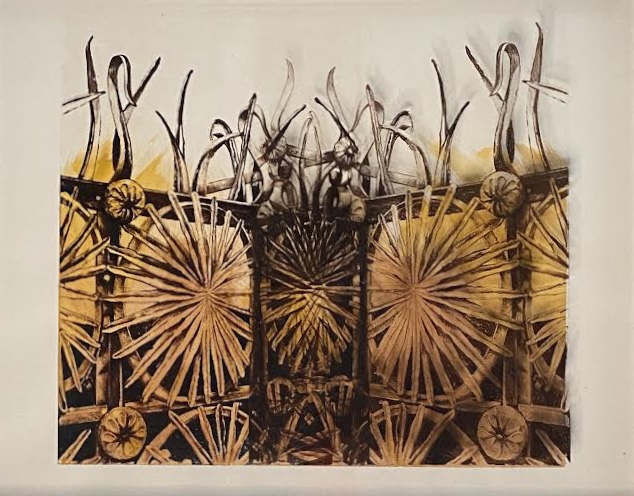
That exploration led me to waterless lithography. After participating in a weeklong workshop with Jeff Sippel, I was immediately intrigued by the process and quickly fell in love with its possibilities. Waterless lithography offered a way to work directly with the drawn mark while embracing a more accessible, non-toxic approach.
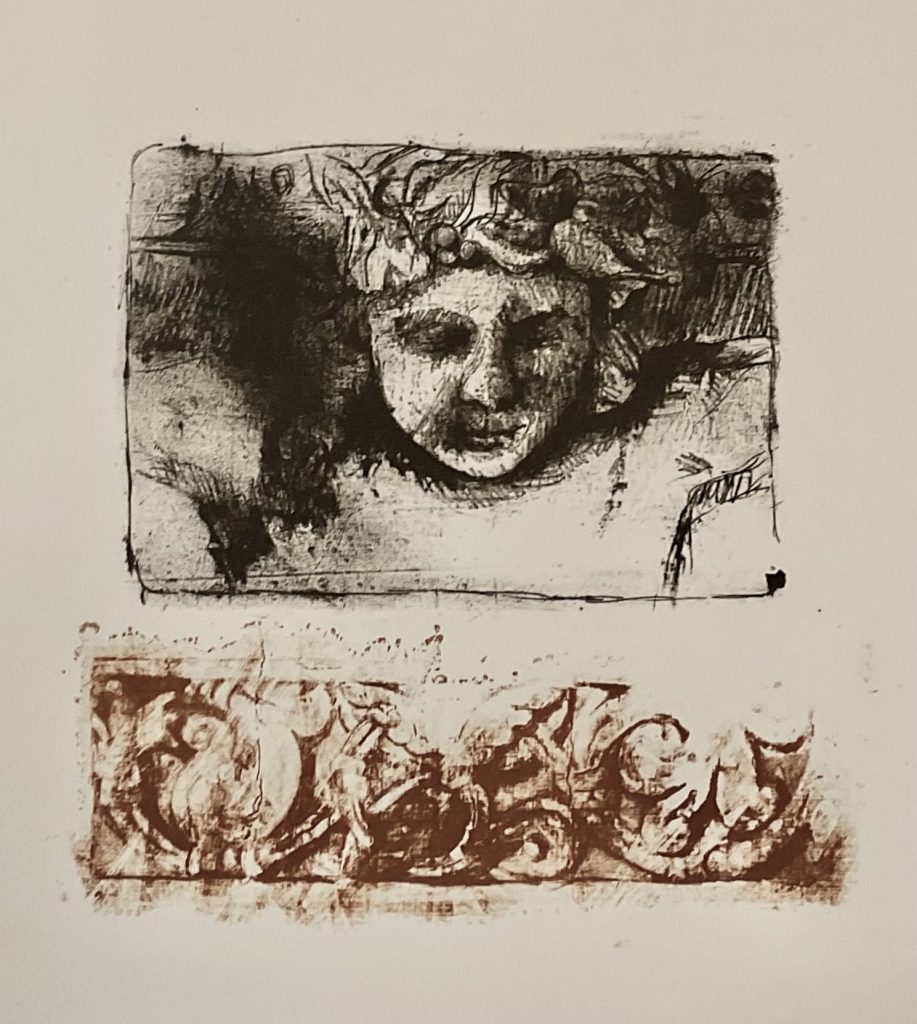
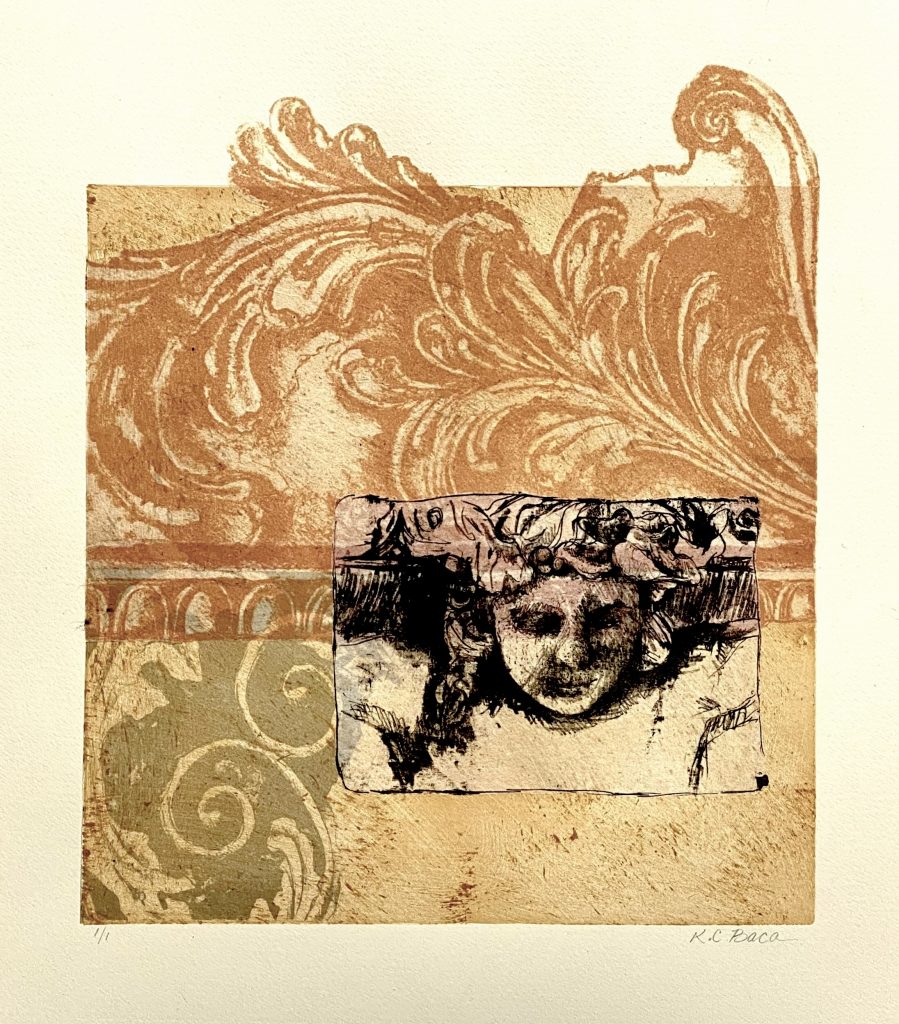
I have since expanded my exploration to include aluminum foil lithography, often referred to as kitchen lithography. This process has its own character and challenges, and offers a different way of translating a drawn image into a print. In waterless and aluminum foil lithography, I draw directly onto the plate. Regardless of the process, the hand-drawn mark remains at the heart of my work.
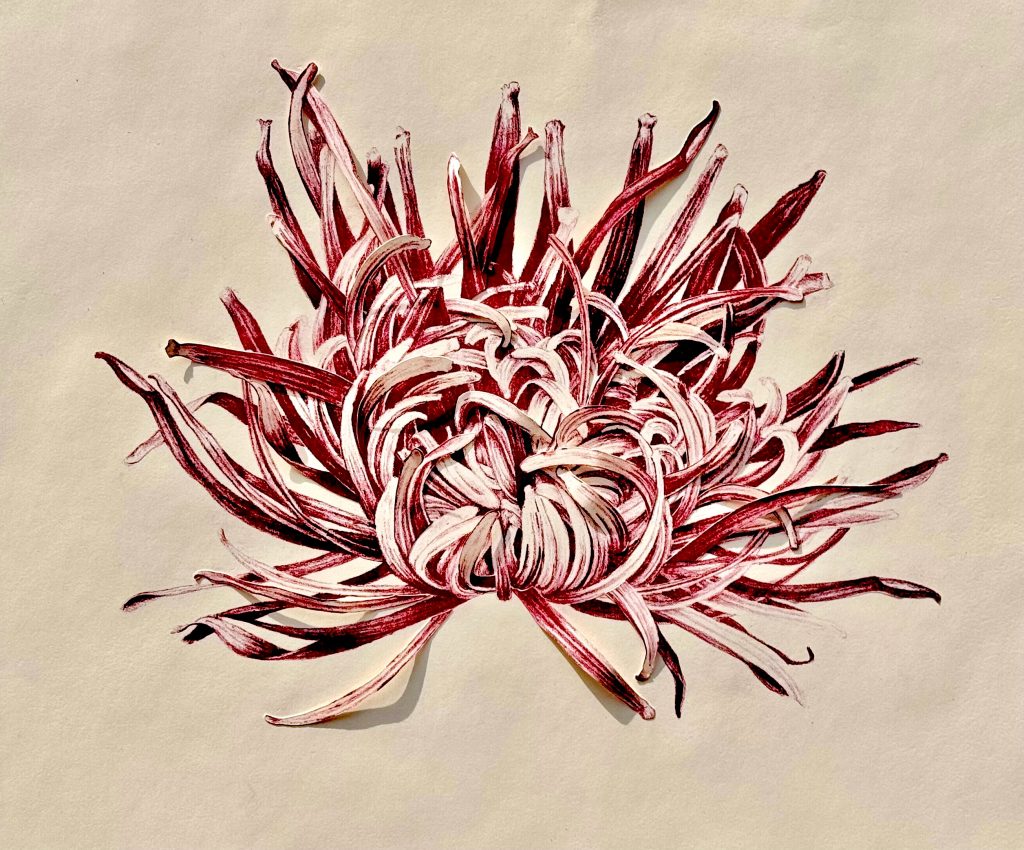
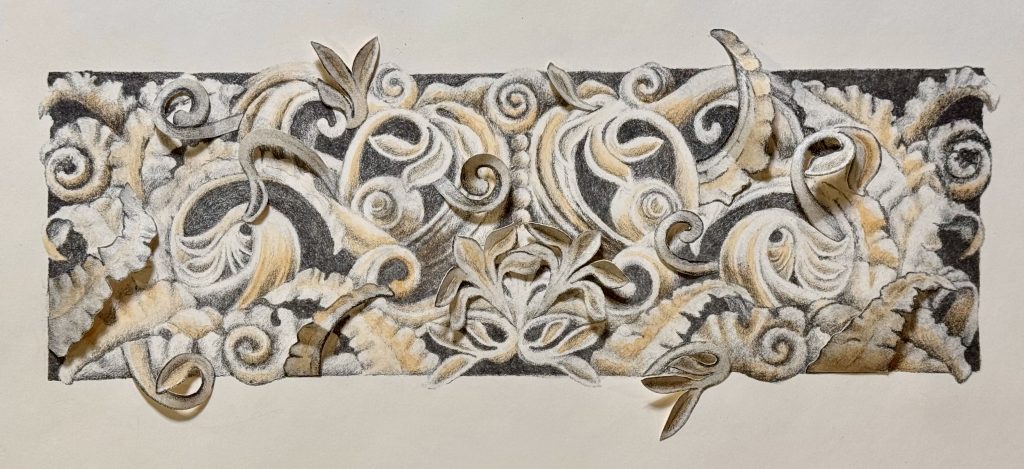
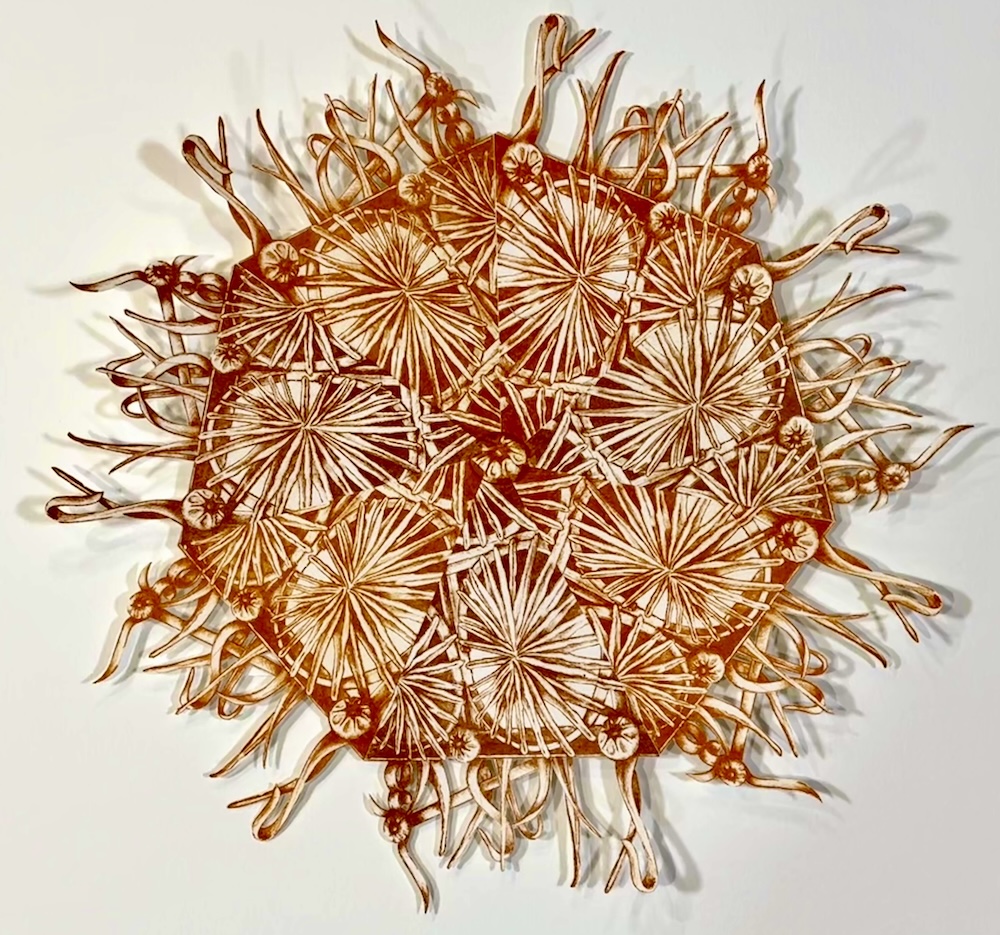
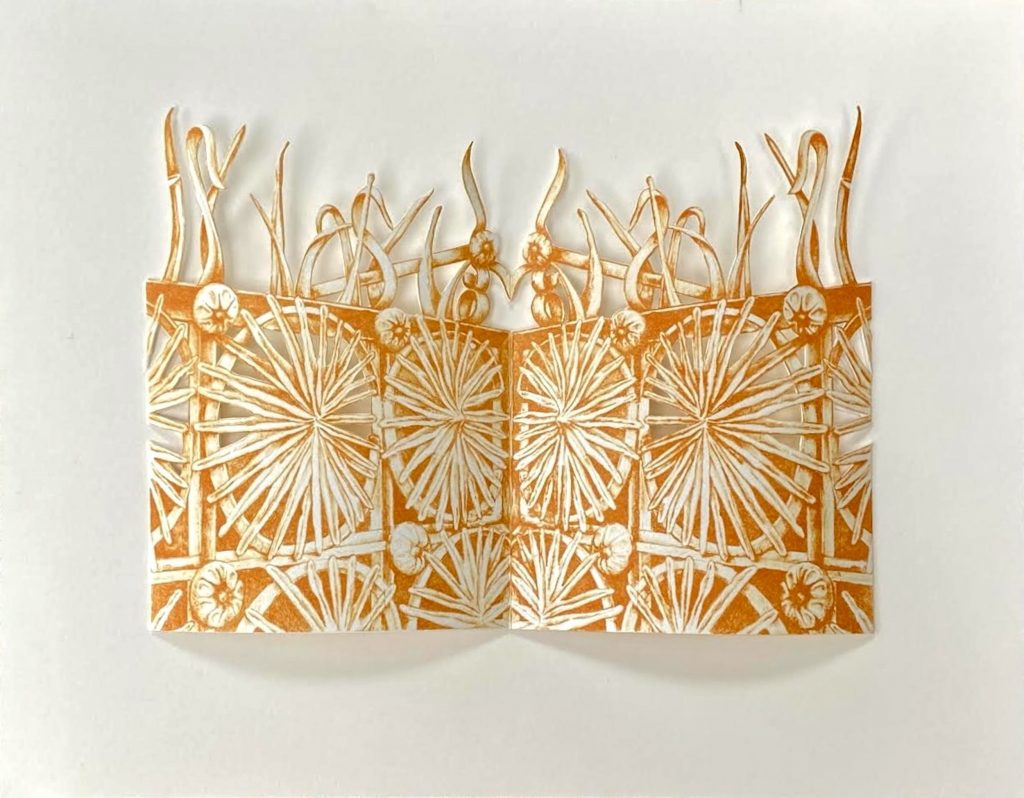
Exploring these alternative methods has expanded my understanding of what lithography can be. Rather than simply replacing traditional stone lithography, they have become part of my evolving practice—allowing me to experiment with surface, transparency, layering, and dimensionality while remaining grounded in the qualities that first captivated me: craftsmanship, precision, patience, and the expressive beauty of the drawn line.